Classical vs Contemporary Violinists

The violin is one of the most versatile instruments in the world, capable of expressing a wide range of musical styles. Broadly speaking, violinists can be grouped into two categories: classical violinists and contemporary violinists. While both share the same instrument, their training, performance practices, and musical goals often differ. Understanding these differences offers insight into the diverse roles the violin plays in today’s musical landscape.
Classical Violinists
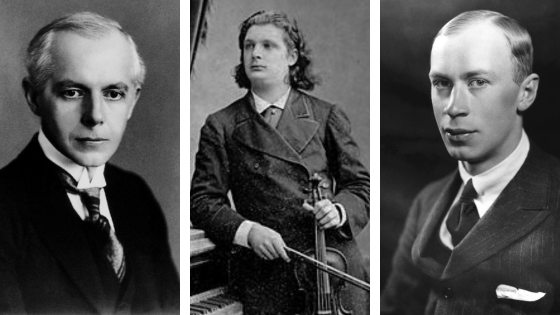
Classical violinists are trained within a long-established tradition that emphasizes the performance of Western classical music. Their repertoire includes works by composers such as Johann Sebastian Bach, Wolfgang Amadeus Mozart, Ludwig van Beethoven, Johannes Brahms, and many others from the Baroque, Classical, Romantic, and modern periods.
Technical mastery is a central focus of classical training. Violinists develop skills such as accurate intonation, refined bow control, tone production, articulation, vibrato, and stylistic interpretation. They also study music theory, music history, sight-reading, and ensemble playing to develop a comprehensive understanding of the repertoire.
Classical violinists typically perform as soloists, chamber musicians, orchestral players, or teachers. While individual interpretation is encouraged, performances are generally guided by the composer’s score and established performance practices.
Contemporary Violinists
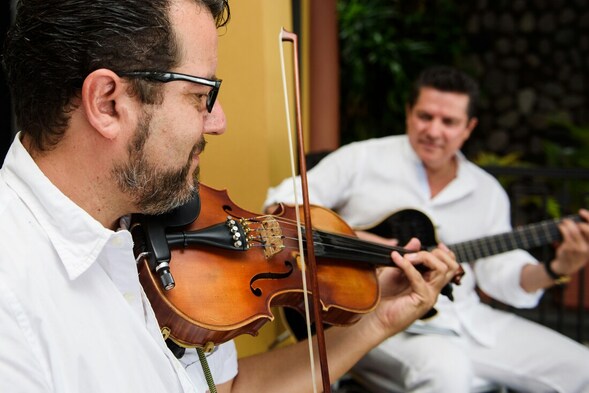
Contemporary violinists often explore musical styles beyond the traditional classical repertoire. They may perform jazz, folk, pop, rock, country, film music, world music, or original compositions. Many contemporary violinists combine influences from multiple genres, creating distinctive musical identities.
Compared to classical performance, contemporary violin playing often places greater emphasis on improvisation, rhythmic flexibility, amplification, and collaboration with other musicians. Depending on the genre, violinists may use effects pedals, loop stations, electric violins, or other technology to expand the instrument’s sonic possibilities.
Rather than focusing solely on reproducing written music, contemporary violinists frequently adapt arrangements, compose original works, or improvise during performances. Their careers may include studio recording, live concerts, theatre productions, festivals, online content creation, and collaborations with artists from different disciplines.
Bridging the Gap
The distinction between classical and contemporary violin playing has become less defined in recent decades. Many classically trained violinists perform contemporary music alongside traditional repertoire, while contemporary violinists often possess strong classical foundations.
This crossover has broadened the opportunities available to violinists. Classical performers may incorporate improvisation, popular music, or crossover projects into their careers. Likewise, contemporary musicians often draw upon classical techniques to improve tone, technique, and musical expression.
As musical styles continue to evolve, versatility has become an increasingly valuable skill. Today’s violinists are more likely than ever to move comfortably between different genres, adapting their playing to suit a wide variety of musical settings.
The Harmonious Symphony
Classical and contemporary violinists represent different approaches to the same instrument rather than competing traditions. Classical violin playing preserves centuries of musical heritage through disciplined study and faithful interpretation, while contemporary violin playing demonstrates the instrument’s ability to adapt to new musical styles and creative possibilities.
Both approaches require dedication, technical skill, and artistic sensitivity. Whether performing a Bach sonata in a concert hall or improvising with a jazz ensemble on stage, violinists continue to showcase the remarkable versatility and enduring appeal of the violin. Together, they ensure that the instrument remains both rooted in tradition and relevant to modern audiences.