The Role of the Violin in Popular Music
Victoria O’Campo

From Classical Virtuosity to Modern Innovation
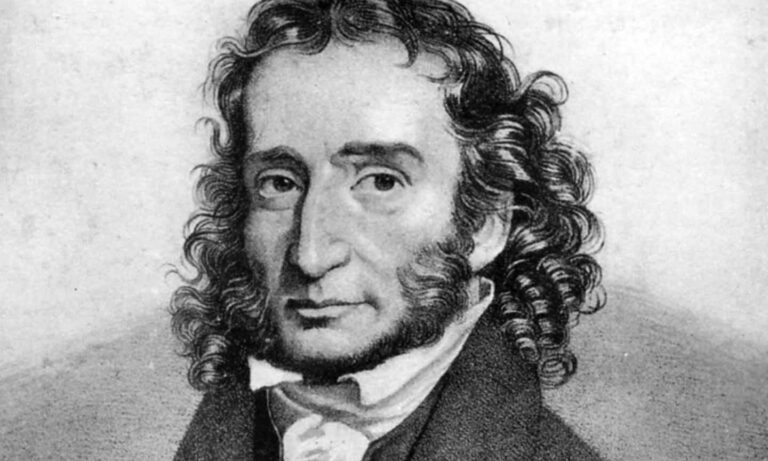
The violin has remained one of the most versatile instruments in Western music for over four centuries. During the nineteenth century, virtuosos such as Niccolò Paganini expanded the technical possibilities of the instrument through groundbreaking compositions and performances. His innovations inspired generations of violinists and composers, establishing the violin as both a solo instrument capable of dazzling virtuosity and an expressive voice within the orchestra.
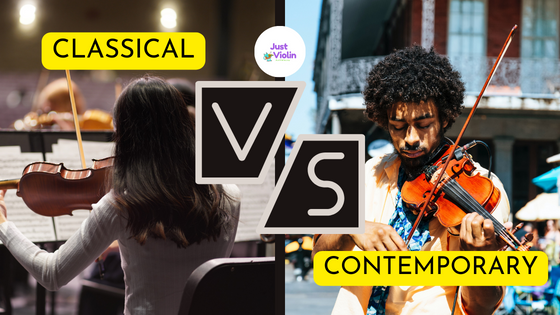
In the twentieth century, musicians continued to expand the violin’s role by incorporating it into a wide variety of popular music genres. Rather than serving only as a classical instrument, the violin became an important contributor to new musical styles, demonstrating its adaptability across different musical traditions.
The Violin in Disco Music
One of the most recognizable uses of the violin in popular music emerged during the disco era of the 1970s. Building on influences from classical music, jazz, Motown, and soul, disco producers frequently employed large string sections to create a rich, energetic sound that became synonymous with the genre.
Unlike classical concertos, where the violin often takes the lead, disco arrangements typically used violins as part of a cohesive string section. Fast-moving string passages, rhythmic accompaniment, and sweeping orchestral textures added excitement, momentum, and sophistication to dance music.
Violinist Mike Comins, who performed for several disco artists including The Bee Gees, described this style as “a whole different use of strings with tons of notes in a big hurry.” These distinctive string arrangements became one of disco’s defining musical characteristics and helped create the vibrant sound associated with the era.
The Violin in Soul and R&B
Around the same period, soul and R&B artists also embraced the expressive qualities of the violin. Producers combined orchestral strings with rhythm sections, electric guitars, keyboards, and vocals to create music with greater emotional depth and musical richness.
Groups such as The Temptations featured prominent string arrangements in songs like Just My Imagination (Running Away with Me) (1971), where the violins play a significant role in shaping the song’s lyrical and emotional atmosphere. In Smiling Faces Sometimes, strings are combined with fuzz guitar to create dramatic contrast and tension, illustrating how orchestral instruments could complement contemporary popular music.
These recordings demonstrated that the violin could contribute not only melody but also texture, harmony, and emotional expression within modern musical styles.
A Versatile Instrument Across Genres
The violin’s journey from Renaissance and Baroque music to today’s popular genres reflects its remarkable versatility. Whether performing the concertos of Paganini, providing lush orchestral textures in disco, or adding expressive depth to soul and R&B recordings, the violin continues to evolve alongside changing musical trends.
Its ability to blend with orchestras, chamber ensembles, bands, and studio recordings has ensured that the violin remains an important instrument in both classical and contemporary music. This adaptability has allowed it to maintain its relevance for centuries while continuing to inspire musicians and audiences around the world.